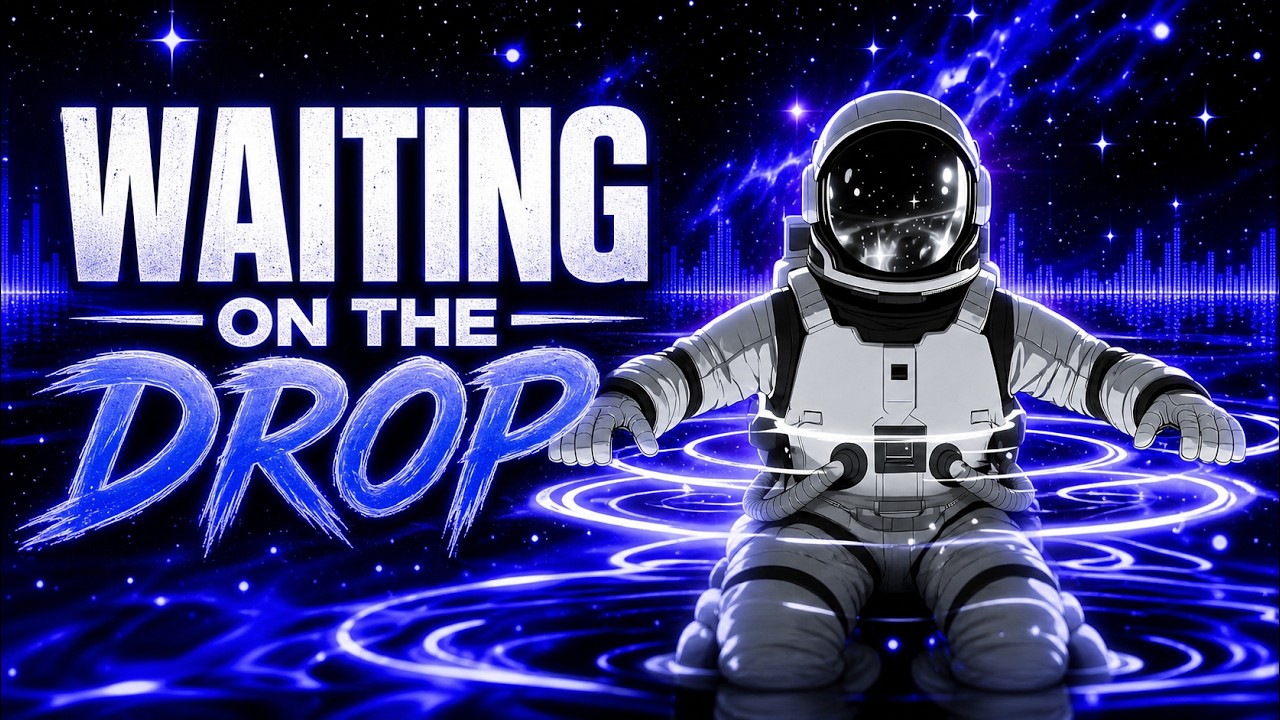
Waiting On The Drop
The song makes the listener wait for the event named in the song.
EXPLORE SONG ↗The Frank A.I. Project began with a simple possibility:
What happens when an idea doesn’t have to stay inside the musical boundaries that created it?
Lyrics can move between genres. Human performances can become technological source material. Acoustic instruments can collide with electronic production. A joke can receive the same structural attention as a ballad about grief.
Sometimes the experiment begins with words. Sometimes it begins with sound. Sometimes Frank knows exactly where he’s going. Sometimes finding out is the entire point.
There is no required sound for The Frank A.I. Project.
Frank can write something intimate and discover that it belongs in country. Another idea might demand industrial metal, folk, electronic music, cinematic production, hip-hop—or several of them at once.
That’s why the catalog can move so dramatically from one song to another.
The project isn’t trying to protect a genre. It’s trying to serve the idea.
But even that isn’t an absolute formula. Sometimes Frank starts with a production technique he wants to explore. Sometimes a genre challenge creates the character or story. Sometimes an ordinary frustration simply sounds like it would make a funny song.
The route into the song can change. Experimentation is the constant.



Technology can generate possibilities. It can’t decide for Frank which possibility is worth pursuing.
The writing behind The Frank A.I. Project is built around complete ideas: stories, questions, arguments, characters, emotions, jokes and observations that can sustain an entire song.
Frank writes the lyrics for his original songs, develops the concept and decides what the song is trying to accomplish. Then the production becomes another part of that decision-making process.
THE TECHNOLOGY DOESN’T ELIMINATE AUTHORSHIP. IT GIVES THE AUTHORSHIP MORE TERRITORY TO EXPLORE.
THE TECHNOLOGY EXPANDS THE POSSIBILITIES. THE HUMAN STILL DECIDES WHICH POSSIBILITY MATTERS.
One pattern appears again and again across the archive. An abstract idea becomes something you can see, hear or inhabit.
Frank often begins with one understandable idea and keeps following its internal logic:
The song grows outward from there.

Production isn’t always decoration around the lyrics. Sometimes it participates in the idea.
The song makes the listener wait for the event named in the song.
EXPLORE SONG ↗It talks about familiar songwriting formulas while deliberately operating inside one.
EXPLORE SONG ↗
The music moves from disorder toward coherence as connection emerges.
EXPLORE SONG ↗Different people are asked to coexist while very different genres and musical textures are asked to do the same.
EXPLORE SONG ↗THE ARRANGEMENT DOESN’T JUST SUPPORT THE IDEA. SOMETIMES IT BECOMES EVIDENCE FOR IT.
The point isn’t genre collision simply for novelty. The question is what happens to an idea when you change the musical world surrounding it.
Sometimes the collision reveals something unexpected. Sometimes it works beautifully. Sometimes it exposes the limits of the experiment.
Both outcomes belong in the archive.
The Frank A.I. Project doesn’t use one vocal method. Different songs call for different voices, characters and performances.
But on a number of recordings, the vocal begins somewhere especially personal: with Frank’s own recorded voice.
Frank records samples of himself singing. Those recordings become source material that modern technology can use as needed to construct, shape and transform the finished vocal performance.
That doesn’t mean Frank conventionally sang every word heard in the finished recording. It also doesn’t mean the resulting voice appeared without him. His voice becomes part of the raw material. Technology becomes part of the performance process.
THE POINT IS TO SEE HOW FAR IT CAN GO.
A human vocal sample no longer has to represent the outer boundary of the finished performance. Technology can use that source in ways that allow Frank to explore different ranges, intensity, genres and vocal characters.
The resulting performance can occupy an unusual space: not simply a conventional human recording, and not a voice disconnected from human source material.
The Frank A.I. Project is interested in that space. Where does the human contribution end? Where does the technological performance begin? Maybe the interesting part is that there isn’t always a clean dividing line.
Frank Buffum’s recorded singing voice provides source material used by modern vocal technology in creating the finished vocal performance on selected recordings.
EXPLORE FRANK VOCAL SOURCE ↗THE TOOLS EXPAND WHAT CAN BE TRIED.
THEY DON’T DECIDE WHAT DESERVES TO EXIST.
The Frank A.I. Project isn’t interested in pretending these recordings were made through a conventional studio process when they weren’t. Artificial intelligence and modern production tools are part of how the work is realized.
But saying “AI made it” is just as incomplete. The project can involve human-written lyrics, concepts, choices, revisions, experiments, recorded source material and creative direction interacting with technologies capable of taking those decisions into places that would otherwise be difficult—or sometimes impossible—to reach.
That human source material can include vocals. On selected recordings, Frank Buffum’s recorded singing voice becomes source material that modern vocal technology can construct, reshape and extend into the finished performance. Other songs may use different vocal approaches. The method changes with the song.
The technology is therefore neither hidden nor treated as the author. It is part of the creative process being documented.
The interesting part isn’t hiding the machine. It’s discovering what happens when Frank deliberately works with it.
Experimentation isn’t particularly interesting if every result is rewritten afterward as a success.
Frank tried to make It’s Only Halloween feel like a mature, radio-ready Halloween song and came away feeling that Halloween’s playful vocabulary kept pulling it back toward the kind of kid-song quality he was trying to escape.
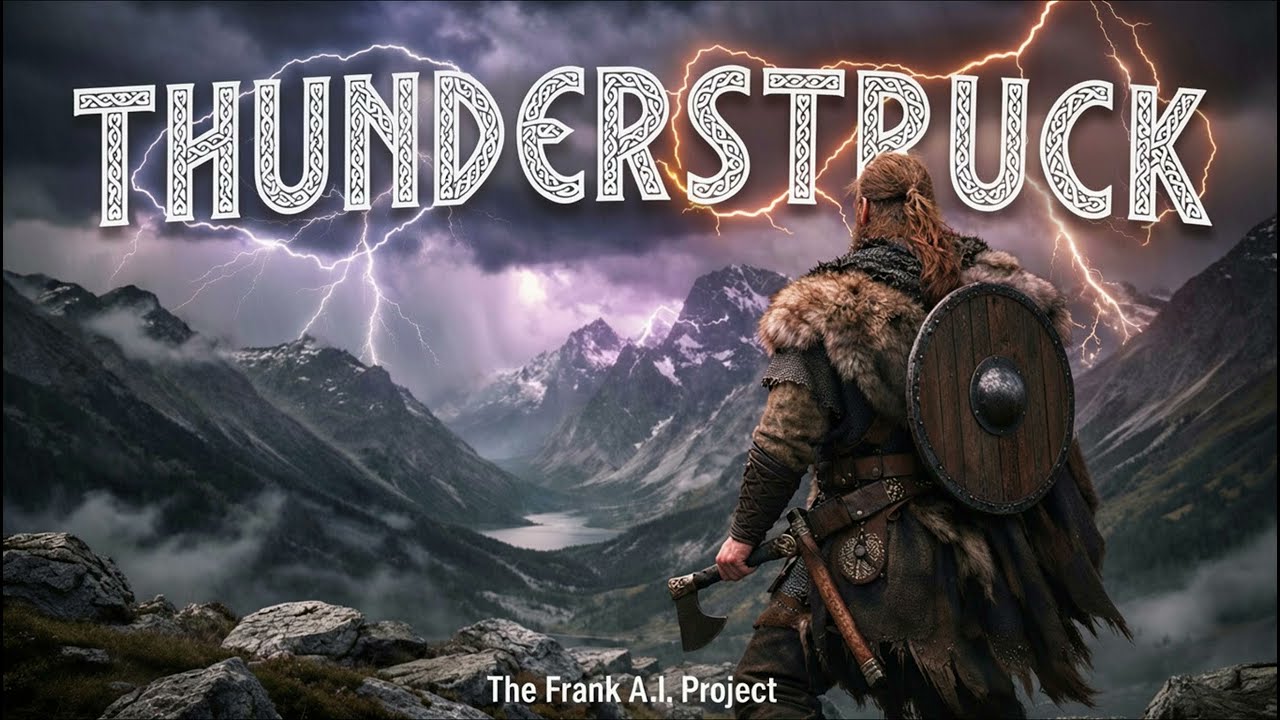
With Thunderstruck Reimagined, Frank found a cinematic folk-metal treatment he thought worked extremely well—then discovered that many other creators had been hearing a similar possibility.
Those results matter. One experiment can reveal that the subject itself resists the intended treatment. Another can reveal that a strong musical idea isn’t necessarily a distinctive idea when everyone is exploring the same territory.
The purpose of the archive isn’t to pretend Frank knew the answer before he started. It’s to document what happened when he tried.

The production pushed toward mature and dark. The subject kept pulling back toward play.
The musical experiment worked. The surprise was discovering how many other creators had heard a similar possibility.
The project’s cover/reimagining experiments ask a slightly different question: what happens when a familiar composition is placed inside a musical world it was never expected to inhabit?
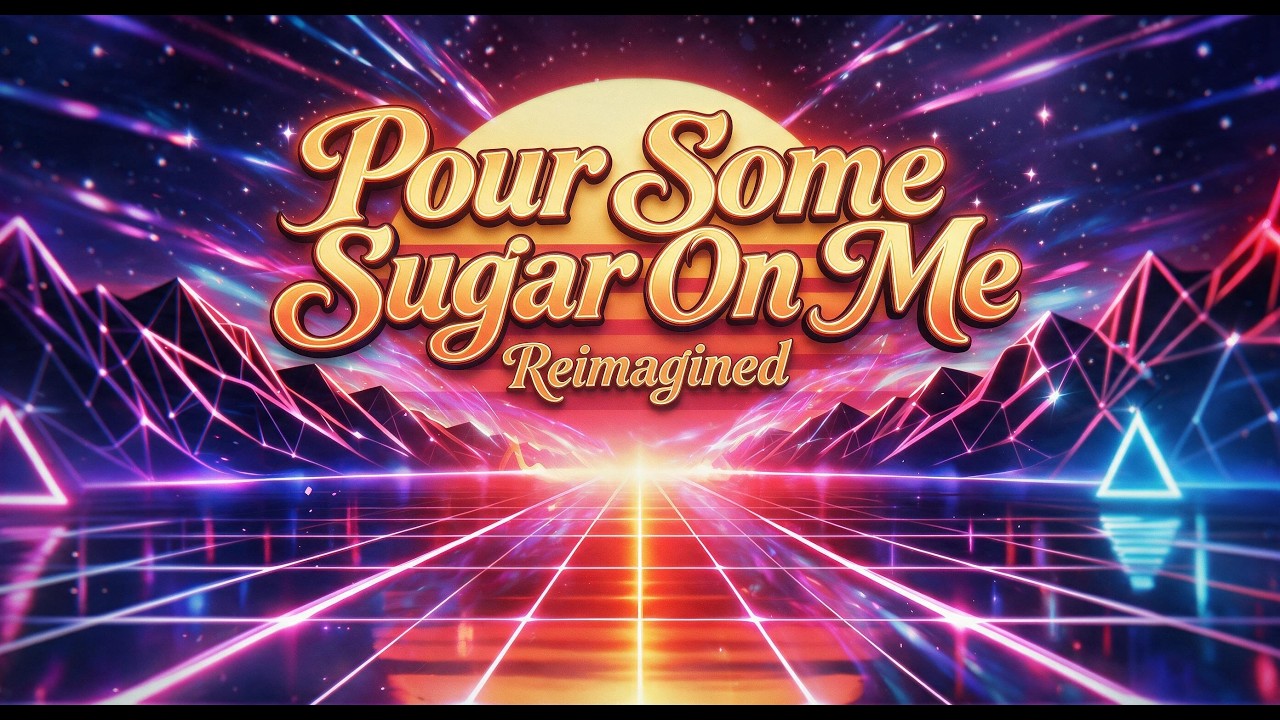
With Pour Some Sugar On Me, Frank deliberately removed the song from its expected rock environment and rebuilt it through outlaw country, electronic production and heavier modern textures.
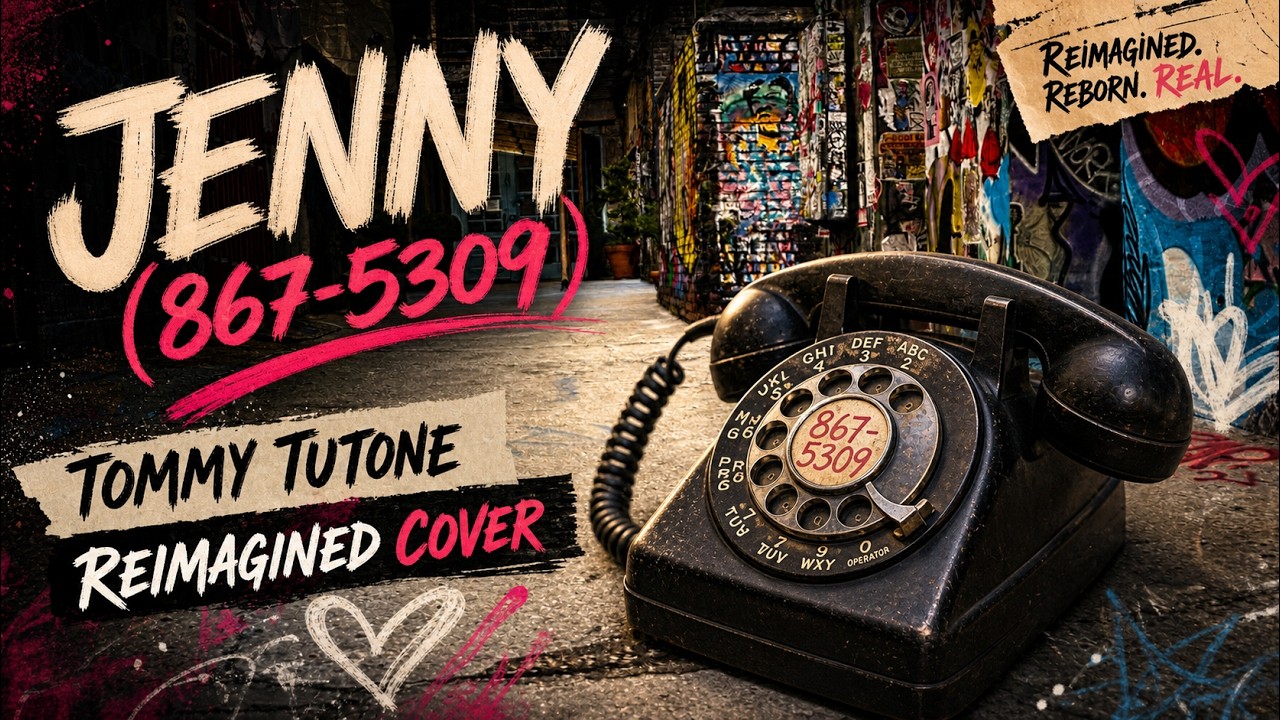
With 867-5309/Jenny, the transformation went beyond genre. Removing the pop brightness and surrounding the familiar composition with darker hard rock changed how Frank perceived the narrator himself.
With Thunderstruck Reimagined, chant, throat singing, morin khuur and cinematic metal moved the composition into another musical vocabulary again.
The underlying compositions remain the work of their original songwriters. The experiment is in what arrangement can reveal, distort, emphasize or completely reframe.
Experimentation doesn’t require every song to carry a profound message.
An online seller getting asked questions already answered in the listing can become Read the Description. Playing Fortnite with friends can become a song structured like an entire match. A terrible HVAC contractor can become an ongoing musical saga. A forgotten password can become a complete song simply because the frustration is universally recognizable.
Frank gives comedy the same thing he gives the serious songs: a premise worth following all the way through.
That’s part of the experiment too.
The starting point changes from song to song.
The starting point changes. The willingness to follow it doesn’t.
A concept, question or emotional truth becomes the seed.
A character, event or ordinary situation starts expanding.
Frank follows the implications of a line until it becomes a world.
A production technique or musical combination creates the reason to make the song.
What happens if these genres coexist? What happens if this song is removed from its original genre? Can this subject survive a completely different treatment?
Something ridiculous becomes increasingly elaborate until it becomes a complete song.
Frank’s voice or other human material becomes something technology can transform.
=THE SONG

THE TECHNOLOGY EXPANDS THE FIELD. HUMAN DIRECTION DETERMINES WHAT LEAVES IT.
The interesting creative problem isn’t getting a machine to produce something. It’s deciding what deserves to exist.
MORE POSSIBILITY DOESN’T MEAN LESS HUMAN DIRECTION.
Technology can dramatically expand what is available — different arrangements, voices, genres, interpretations and unexpected results. Frank still has to decide which possibilities are worth following, which should be abandoned, and ultimately what the song becomes.
The technology expands the field. The creative decisions still shape the work.
The Frank A.I. Project began in March 2026 with Distance. That gives the archive a beginning. It doesn’t give it an ending.
New songs add new questions, new techniques, new collisions and occasionally new mistakes worth documenting.
The archive isn’t intended to freeze the project at a particular number of songs. It records where the experiment has gone so far.
Every song is another chance to find out what happens next.