MUSIC

NO SINGLE GENRE. NO FINISH LINE.

The Frank A.I. Project is an ongoing musical experiment built around ideas rather than a fixed sound. Rock, country, folk, metal, electronic music, hip-hop, cinematic production and stranger combinations can all exist in the same archive because the genre is rarely the starting point. The archive keeps growing as new ideas become new songs.

EXPLORE THE ARCHIVE
THE CATALOG

EVERY SONG IS ITS OWN EXPERIMENT.

The Frank A.I. Project began in March 2026 with “Distance.” What followed—and continues to follow—is an expanding collection of songs, stories, experiments and reimaginings without a required genre. The project has a documented beginning. It does not have a predetermined endpoint.

Across the catalog, intimate ballads sit beside industrial metal. Folk storytelling can lead into electronic production. Country can collide with EDM. Comedy can receive the same structural attention as grief. A gaming song can unfold like an actual match, while another song can make the listener wait for the musical event named in its title.

The connecting thread isn’t a sound. It’s curiosity.

The archive documents what happened each time Frank followed an idea far enough to turn it into a complete song.

BROWSE BY THEME
THE LIVING ARCHIVESONG IDEA FIRST / GENRE SECOND
It's Only Halloween — thumbnail
001 / CATALOG

It's Only Halloween

“It’s Only Halloween” began when one of Frank’s friends suggested he make a Halloween song. What sounded simple quickly became a production challenge. Frank found that Halloween songwriting naturally tended to drift toward either children’s novelty music or exaggerated haunted-carnival sounds. He wanted to see whether the same familiar imagery—pumpkins, candy, costumes, monsters, trick-or-treating and jumpscares—could live inside a darker, polished contemporary production. The resulting track pits those two instincts against each other: cinematic C-minor dance-pop production underneath deliberately playful Halloween imagery. Frank doesn’t consider the experiment a complete escape from the kid-song quality he was trying to avoid. That tension became part of what makes the song interesting within the project.

The World You Hold Inside — thumbnail
002 / CATALOG

The World You Hold Inside

A journey from intimate reflection to soaring connection, "The World You Hold Inside" explores a love that looks beyond physical appearance to the person underneath. The arrangement moves from sparse, intimate verses into a powerful modern-rock chorus, mirroring the awakening of the heart.

Stacks (Baller Anthem) — thumbnail
003 / CATALOG

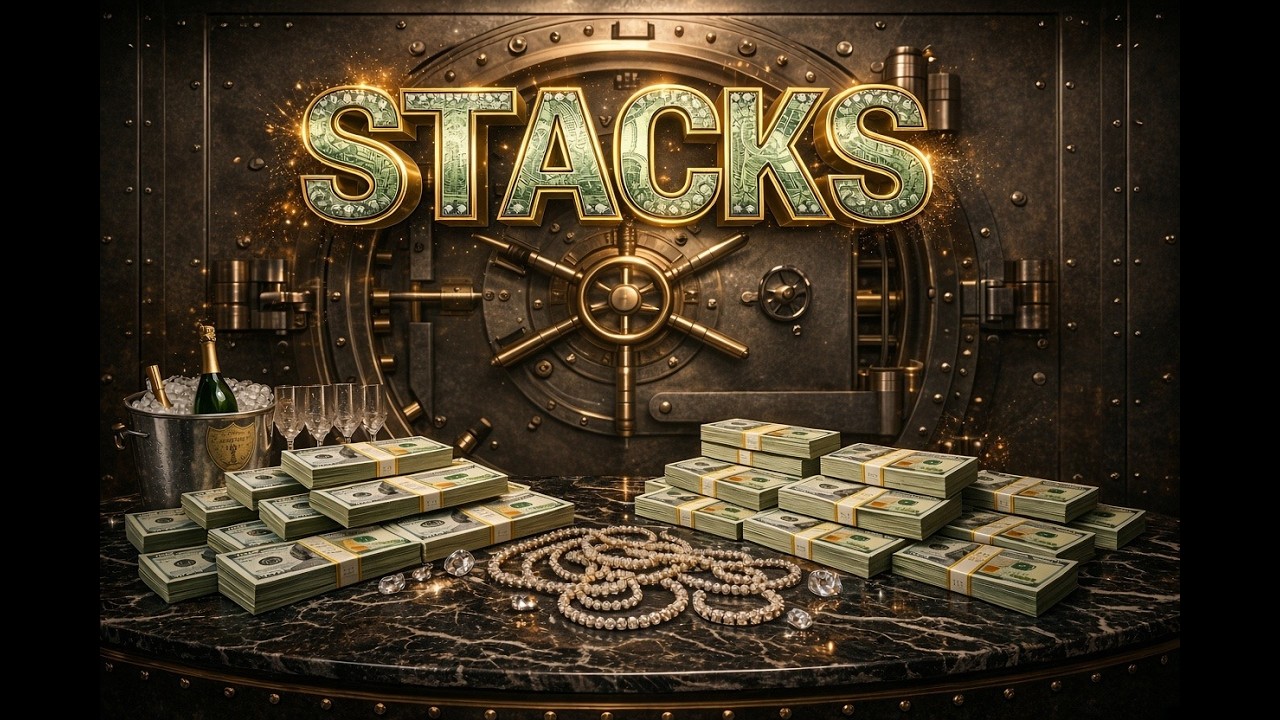
Stacks (Baller Anthem)

Rap-Pop / Hip-Hop PopPopR&BAlternative PopEDM-Pop

“Stacks (Baller Anthem)” is a deliberately flashy character song created after Frank was challenged to make a radio-friendly baller anthem in a musical style outside his usual territory. Rather than simply writing about having money, Frank built the song around someone who has made wealth a substitute for emotional connection. Exes, relationships and people are unreliable; cash, luxury and status become the things the narrator chooses to trust instead. The result is intentionally excessive: Rolexes, diamonds, millions, VIP rooms, private jets, champagne and stacks of cash inhabit a glossy musical world designed to sound as extravagant as the character imagines himself to be. The narrator doesn’t merely love money. He has given money the job normally occupied by love.

One Soil Many Seeds — thumbnail
004 / CATALOG

One Soil Many Seeds

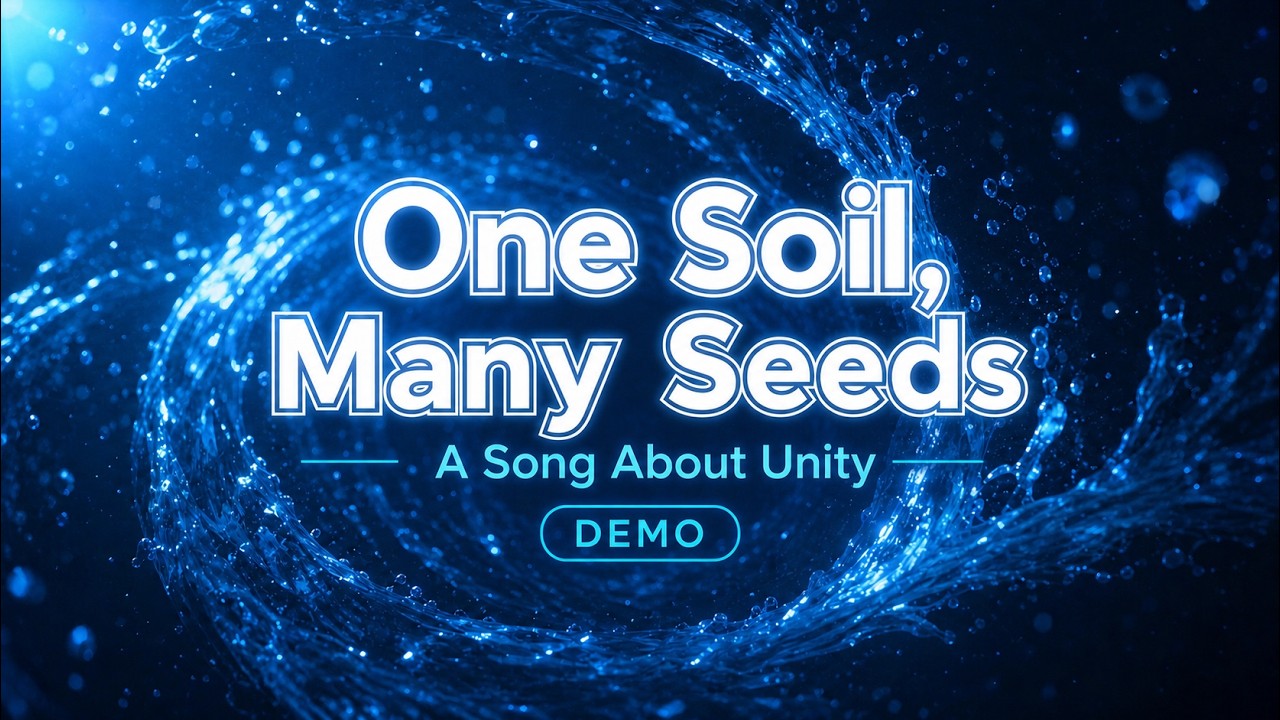
“One Soil Many Seeds” is one of The Frank A.I. Project’s most deliberately maximalist production experiments. Frank approached the track with a simple technical question: how many different musical languages could occupy the same song before the result stopped feeling coherent? Country, rock, folk and bluegrass-derived textures meet a melodic EDM foundation, while acoustic guitar, Telecaster, electronically modulated jaw harp, talk box, synthesizers and dance production occupy the same arrangement. The subject became unity because it reflected the musical experiment itself. The lyrics argue that difference doesn’t have to disappear for people to share common ground. The arrangement attempts to demonstrate the same idea in sound.

Tired of Fighting Me — thumbnail
005 / CATALOG

Tired of Fighting Me

“Tired of Fighting Me” turns the conflict inward. Its narrator moves through the world convinced that other people see the same things in him that he sees in himself: a burden, an outsider, someone unwanted. But beneath all of that certainty is a question he can’t quite silence: What if the voice condemning him isn’t telling the whole truth? The song doesn’t answer that question with sudden recovery or easy reassurance. It ends with something smaller—and potentially more important: the possibility that the person and the curse are not the same thing.

Holding Up a Finger In My Mind — thumbnail
006 / CATALOG

Holding Up a Finger In My Mind

“Holding Up a Finger In My Mind” turns a joking phrase from Frank’s everyday life into a heavy-rock defiance song about the things we choose not to say. The narrator is furious internally but controlled externally—biting his tongue, counting to ten, smiling and nodding while giving the person irritating him an entirely different response in his imagination. The joke is the restraint: the louder the reaction becomes inside his head, the less he actually needs to do outside it.

Turning the Dark Into Brighter Mornings — thumbnail
007 / CATALOG

Turning the Dark Into Brighter Mornings

“Turning the Dark Into Brighter Mornings” is about refusing to let one difficult day become a prediction of everything that comes after it. The problems don’t magically disappear. The car still breaks down. The bills are still on the floor. The plans still fail and the storm still rolls in. What changes is the narrator’s decision about what those things are allowed to mean. A bad day can hurt. It doesn’t get to write the whole story.

F"#k Happy — Misery’s My Masterpiece — thumbnail
008 / CATALOG

F"#k Happy — Misery’s My Masterpiece

“F"#k Happy” isn’t an argument against happiness. It’s an argument against performing happiness on command. The song pushes back against forced smiles, “good vibes only,” motivational slogans and the idea that uncomfortable emotions should immediately be covered over with something brighter. Sometimes sadness is sadness. Sometimes anger is anger. And sometimes the most honest thing you can do is stop pretending you’re fine.

Pour Some Sugar On Me — thumbnailREIMAGINING
009 / CATALOG

Pour Some Sugar On Me

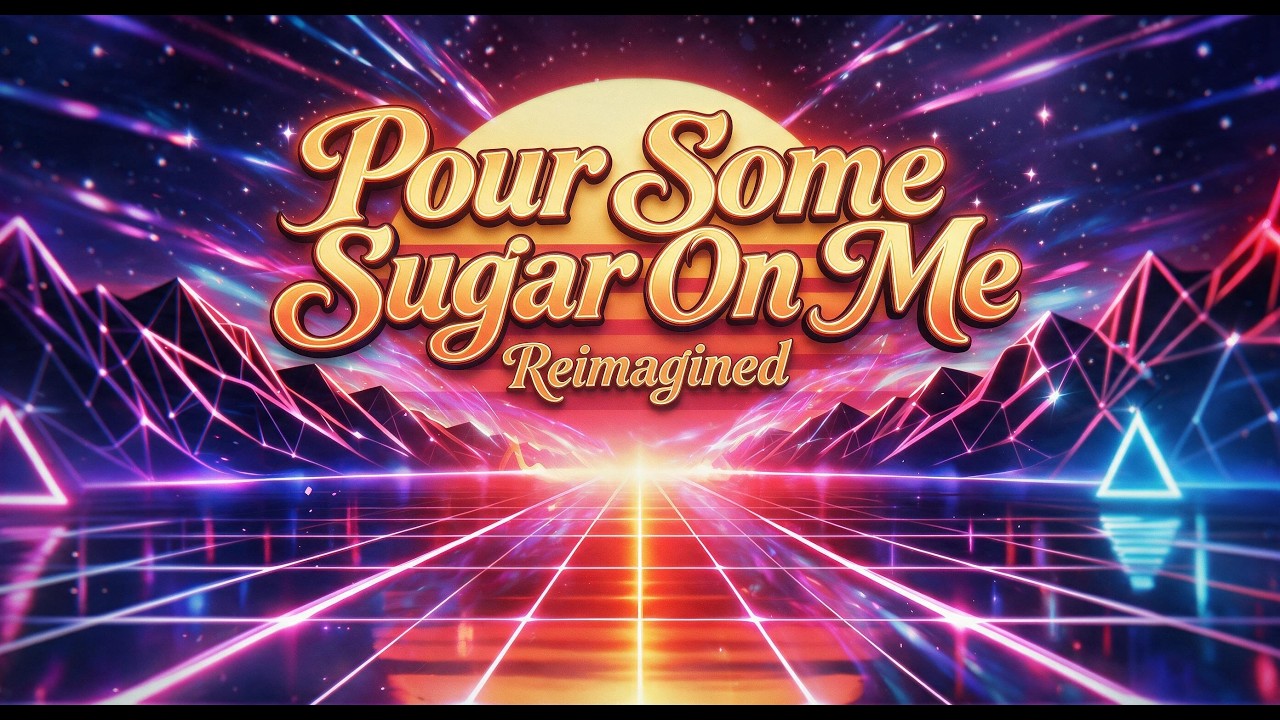
The Frank A.I. Project’s “Pour Some Sugar On Me” is a genre-displacement experiment built from Def Leppard’s 1987 song. Frank’s goal wasn’t to reproduce the original arena-rock arrangement. He deliberately removed the composition from that environment and rebuilt his interpretation around outlaw country with electronic weight underneath it. Fingerpicked acoustic guitar and harmonica establish the country foundation. Deep 808s, trap percussion and EDM processing pull against it. Palm-muted nu-metal guitars introduce another layer of weight, while wide synths, female harmonies, talkbox and stacked vocals expand the chorus. The experiment is not changing what song it is. It’s changing the musical world the song has to live inside.

ZERO TALENT — thumbnail
010 / CATALOG

ZERO TALENT

“ZERO TALENT” is The Frank A.I. Project’s deliberately provocative response to people who dismiss AI-assisted music—and the people making it—as inherently talentless. Rather than trying to win another comment-section argument, Frank turned the criticism itself into the premise of a heavy, sarcastic response track. The insult becomes the hook. The criticism becomes the material. And the song itself becomes the reply.

Thieves Among Us — MUSIC THIEF — thumbnail
011 / CATALOG

Thieves Among Us — MUSIC THIEF

“Thieves Among Us — MUSIC THIEF” is a confrontational response song about the contradiction Frank saw between people dismissing his AI-assisted work as “talentless” while, in his view, taking ideas, artwork, titles or concepts from that same work. The song begins in accusation mode—titles, hooks, concepts and creative identity being taken—and gradually arrives at a larger argument: Someone may imitate the result. That doesn’t mean they possess the creative source that produced it.

The Wrong Note in the Song — thumbnail
012 / CATALOG

The Wrong Note in the Song

“The Wrong Note in the Song” turns the experience of not fitting in into an entire musical world. Everyone else seems to move in rhythm, find the tempo and understand the melody instinctively. Against that imagined harmony, the narrator experiences himself as dissonance—the single note that doesn't belong. The song's most painful question isn't whether the note is actually wrong. It's what happens when someone becomes convinced that it is.

We Were Simple Once — thumbnail
013 / CATALOG

We Were Simple Once

“We Were Simple Once” looks backward without staying there. Dirt roads, front porches, handshakes and neighbors are placed against screens, status, endless scrolling and “a million connections” as the song asks what happened when life became increasingly complicated. But nostalgia isn't the destination. The final question is whether some of what was lost can still be chosen again.

I’M GEN X, BITCH! — thumbnail
014 / CATALOG

I’M GEN X, BITCH!

“I’M GEN X, BITCH!” takes the familiar mythology surrounding Generation X—the latchkey kids, garden hoses, mixtapes, unsupervised afternoons and figure-it-out-yourself childhood—and turns it into an oversized metalstep anthem. It isn’t a scientific argument that one generation is tougher than another. It’s Frank having fun with his own generation’s favorite argument about itself. Beneath the exaggeration, though, the song connects those childhood stories to a more serious idea: learning to rely on yourself when nobody hands you instructions.

They Finally Almost Caught Larry — thumbnail
015 / CATALOG

They Finally Almost Caught Larry

The law finally caught up with Larry, the world’s worst HVAC repairman. Unfortunately, putting him in prison only gave him another air-conditioning system to destroy. Part 3 of The Larry Files follows Larry from a high-speed chase and an unfortunate encounter with a Taco Bell ceiling to prison, a broken cooling system, an escape through the ductwork and yet another disappearing act. And yes—he still owes fifty bucks.

When Rock Bottom Has a Basement — thumbnail
016 / CATALOG

When Rock Bottom Has a Basement

What happens when hitting bottom isn't actually the bottom? “When Rock Bottom Has a Basement” turns that question into a Southern-rock anthem about regret, self-worth and rebuilding. A shovel that once dug the hole becomes a way out, while a ladder built from the splinters of pride leads upward one rung at a time. The destination isn't rescue. It's the decision to start climbing.

A Mother Always Knows — thumbnail
017 / CATALOG

A Mother Always Knows

“A Mother Always Knows” is Frank's tribute to his mom and to the bond he believes exists between mothers and their children. The song moves from a six-year-old boy crying over a scraped knee to a grown man with a house and life of his own—and discovers that growing older never completely removes the need for the person who seemed to understand before anything had to be explained. The child grows up. The names change. The connection remains.

Get Out My Lane — thumbnail
018 / CATALOG

Get Out My Lane

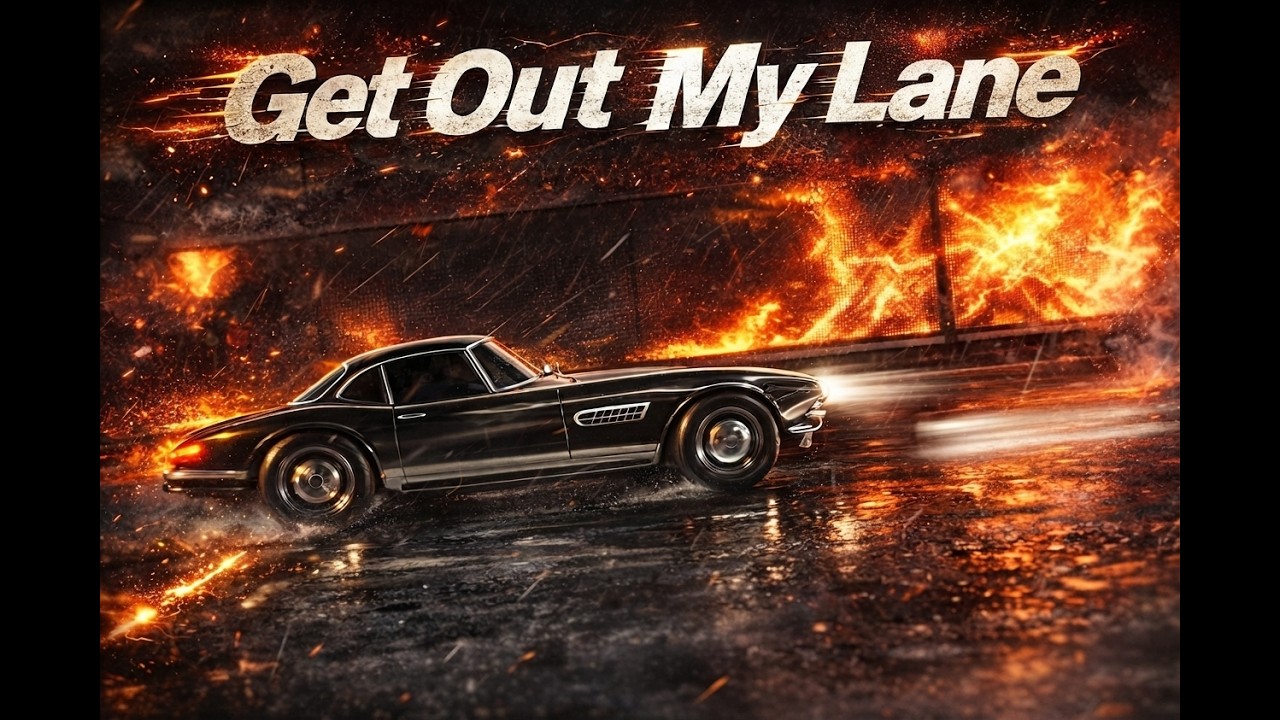
“Get Out My Lane” is a high-energy modern rock song about one of life’s less profound problems: being trapped in traffic with people who seem determined to make the commute as irritating as possible. Frank wrote the song on a whim, collecting familiar annoyances—slow drivers in the left lane, missed green lights, phones, construction, lane changes and endless GPS recalculations—and letting the narrator’s patience gradually disappear. The arrangement joins the joke by accelerating from roughly 110 BPM toward 185 BPM. The angrier the commute gets, the faster the song goes.

Same Old Song Just Sing Along — thumbnail
019 / CATALOG

Same Old Song Just Sing Along

“Same Old Song Just Sing Along” is a self-aware rock song about how much music can be built from surprisingly simple ingredients. Frank took the familiar arguments over musical creativity, complexity and which songs are somehow “better” than others and reduced the whole thing to a joke: if four chords work, why fight them? So he built the entire track around one repeating four-chord progression. The result is a song about the formula that deliberately uses the formula while explaining what it’s doing.

Greater Than the Sum — thumbnail
020 / CATALOG

Greater Than the Sum

“Greater Than the Sum” is a song about the strength found in unity and solidarity. It begins with individual things—a thread, a stone, a candle, a note, a word—and asks what happens when they stop existing only by themselves. Threads become a tapestry. Notes become music. Separate voices find harmony. Individual lives remain their own, but connection creates something that neither person could create alone. The pieces don't disappear into the whole. Together, they make the whole possible.

No Responsibility — thumbnail
021 / CATALOG

No Responsibility

Slacker Pop-PunkIndie RockComedy RockBedroom Punk

“No Responsibility” is a sarcastic slacker-pop-punk song built around a simple reversal: if great power supposedly brings great responsibility, perhaps the easiest route to freedom is having no power whatsoever. Promotions, meetings, overflowing inboxes, leadership, group chats and ambition are treated not as opportunities but as increasingly elaborate traps. Underneath the exaggerated laziness is a simple fantasy Frank describes more sincerely: sometimes you don’t want to make the decisions, be in charge or even have a say. You just want to exist for a while without carrying anybody else’s burden. Don’t promote him. Don’t task him. Don’t call him. He’s free.

Bonnie and Clyde — thumbnail
022 / CATALOG

Bonnie and Clyde

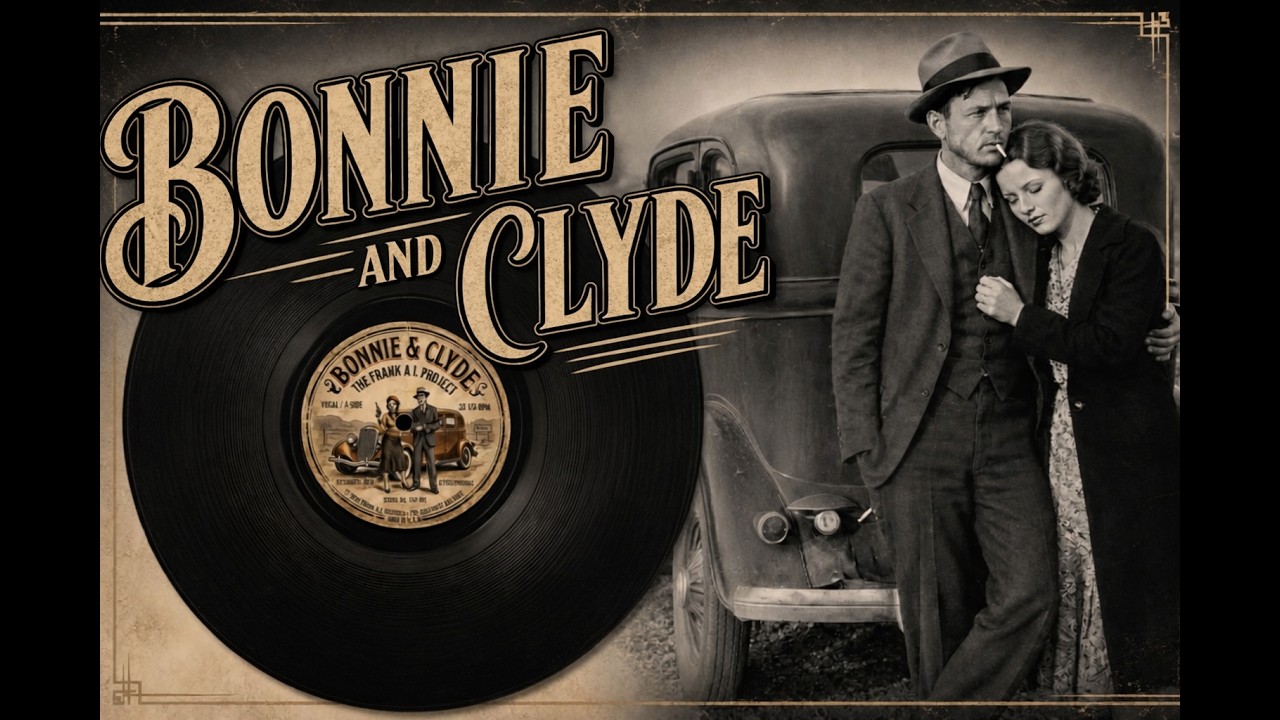
“Bonnie and Clyde” is a dark character study built from a deliberately exaggerated reimagining of Bonnie Parker’s perspective. Frank takes the cultural mythology surrounding the outlaw couple and pushes devotion toward its breaking point, creating a narrator for whom love, possession, violence and identity have begun collapsing into one another. The musical experiment follows the same philosophy. Delicate strings coexist with trap-metal weight, electronic bass, half-time rhythms and abrupt changes in intensity, creating a song that can feel intimate and threatening almost simultaneously. The goal isn’t historical realism. It’s psychological extremity.

Yesterday — thumbnail
023 / CATALOG

Yesterday

“Yesterday” is a country-rock reflection on the strange moment when aging stops being an abstract idea and suddenly becomes visible through somebody else’s eyes. Inspired by a real conversation Frank had after casually mentioning Back to the Future to a younger store employee, the song begins with the realization that cultural touchstones one generation takes for granted can already belong to history for the next. From there, the song widens from one movie to music, historical events, the face in the mirror and finally the realization that growing older means watching pieces of your own present gradually become somebody else’s past. What begins as a shock eventually becomes something gentler: the world can move on without requiring you to surrender the memories that shaped you.

Midnight Replay — thumbnail
024 / CATALOG

Midnight Replay

Afro-Dance PopAmapianoUK GarageAfrobeatsPopR&B

“Midnight Replay” is a bright, romantic Afro-dance pop song built around an intentionally uncomplicated idea: two people on a late-night drive, listening to music and enjoying the feeling of having nowhere more important to be. Written as an opportunity for Frank to explore unfamiliar musical territory, the track combines Amapiano, UK garage, Afrobeats, pop and R&B elements while the lyric creates a small nocturnal world of dashboard lights, shoreline roads, cheap champagne, rain, red lights and songs played again and again. The stakes are intentionally low. The night doesn’t need to change their lives. They simply don’t want it to end.

Rock and A.I. Roll — thumbnail
025 / CATALOG

Rock and A.I. Roll

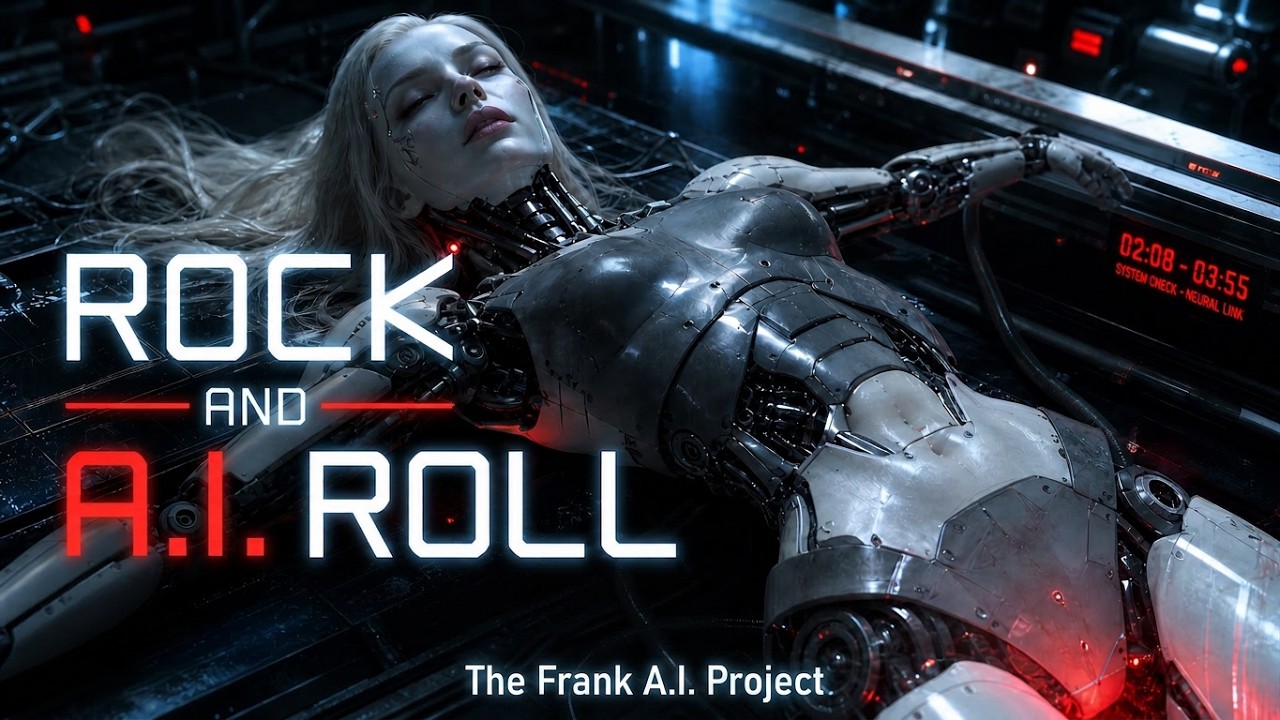
“Rock and A.I. Roll” is Frank’s playful answer to a recurring argument in music: when a new technology enters the creative process, somebody inevitably questions whether the result still counts as “real” music. Instead of treating AI as something outside musical history, the song places it alongside earlier technological changes and asks whether today’s controversy may be another version of an old debate. Its position is simple: the tool can change, but the creative choice still matters.

Right Hand Man — thumbnail
026 / CATALOG

Right Hand Man

“Right Hand Man” turns accumulated hardship into a dark Southern Gothic recruitment story. Bad luck, debt, abandonment, bruises and disappointment become tools wielded by a Devil who isn’t trying to destroy the narrator outright. He is trying to reshape him. The goal is more insidious than damnation: turn a basically decent person bitter enough that he begins carrying hatred into the world on his own. But buried underneath everything the narrator has endured, one piece of him remains unconquered. The Devil can hurt him. He hasn’t yet made him his right-hand man.

Remove This Curse — thumbnail
027 / CATALOG

Remove This Curse

“Remove This Curse” is about the feeling that failure or unhappiness isn’t simply happening around you—it’s following you. Doors open. Windows open. The narrator runs, washes, shouts and tries to start again. But every attempt seems to return him to the same place. Eventually the struggle changes. Instead of insisting he can escape through strength alone, he finally asks for help. The song begins with something that won’t leave. It ends with someone who is finally ready for change.

When I Grow Up — thumbnail
028 / CATALOG

When I Grow Up

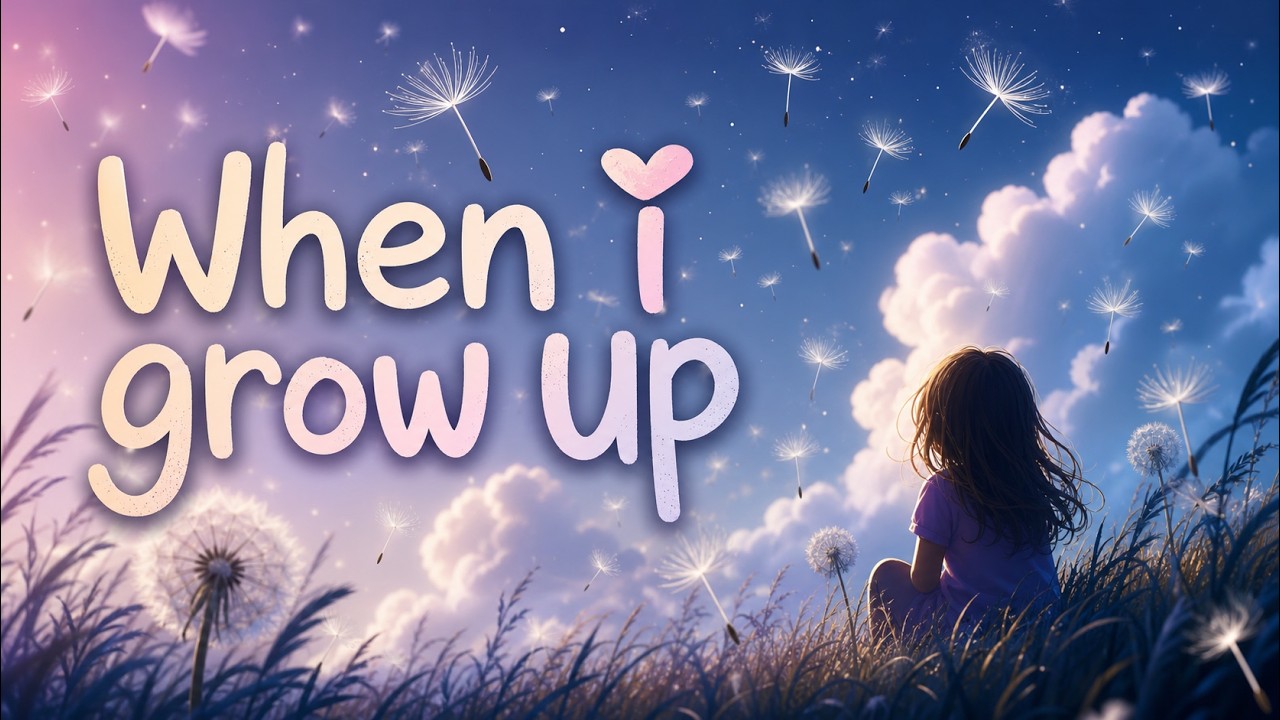
Written for a contest that it ultimately won, “When I Grow Up” follows a girl’s understanding of adulthood from childhood certainty into mature hope. As a child, she sees pain, exhaustion and injustice around her and assumes growing up will finally make her powerful enough to fix them. She’ll quiet storms, mend cracks, heal wounds and make the world listen. Then she grows up. Experience teaches her that the world is harder, crueler and less controllable than the child imagined. But the song refuses to turn that realization into cynicism. Instead, the adult discovers another kind of agency: listening, participating, refusing to run and carrying the hopeful child forward without pretending she was right about everything. Growing up doesn’t fulfill the childhood fantasy. It transforms it.

Failure Isn't an Option — thumbnail
029 / CATALOG

Failure Isn't an Option

“Failure Isn't an Option” takes one of the most familiar slogans about success and turns it inside out. Instead of treating failure as something to fear or avoid, the song argues that falling can be the very thing that teaches us how to grow. The trophies disappear. Perfection loses its value. Scars become stories, falls become teachers, and failure stops being the opposite of success. It becomes part of getting there.

No One Cares — thumbnail
030 / CATALOG

No One Cares

“No One Cares” examines the exhaustion of continually giving time, strength and attention to other people while feeling that very little of it ever returns. Its narrator becomes shelter, flame, anchor and shore—things other people can depend upon. But each metaphor eventually leads back to the same unanswered question: Who takes care of the person everyone else depends on?

You'll Hear Me Now — thumbnail
031 / CATALOG

You'll Hear Me Now

“You’ll Hear Me Now” is about reaching the breaking point after being ignored, overlooked and taken for granted. Its narrator has spent his time building things other people benefit from, watching others receive recognition, and keeping his own anger contained. Then the direction changes. He stops waiting for someone to notice him and decides to make himself impossible to ignore.

They Ain't Found Larry Yet — thumbnail
032 / CATALOG

They Ain't Found Larry Yet

Larry is back—but fixing the AC apparently isn’t. The second chapter of The Larry Files takes the unreliable HVAC technician from the original song and puts him on the road, tearing across the American Southwest in a dented van while leaving broken compressors, blown-out air conditioners and increasingly questionable decisions behind him.

867-5309/Jenny — thumbnailREIMAGINING
033 / CATALOG

867-5309/Jenny

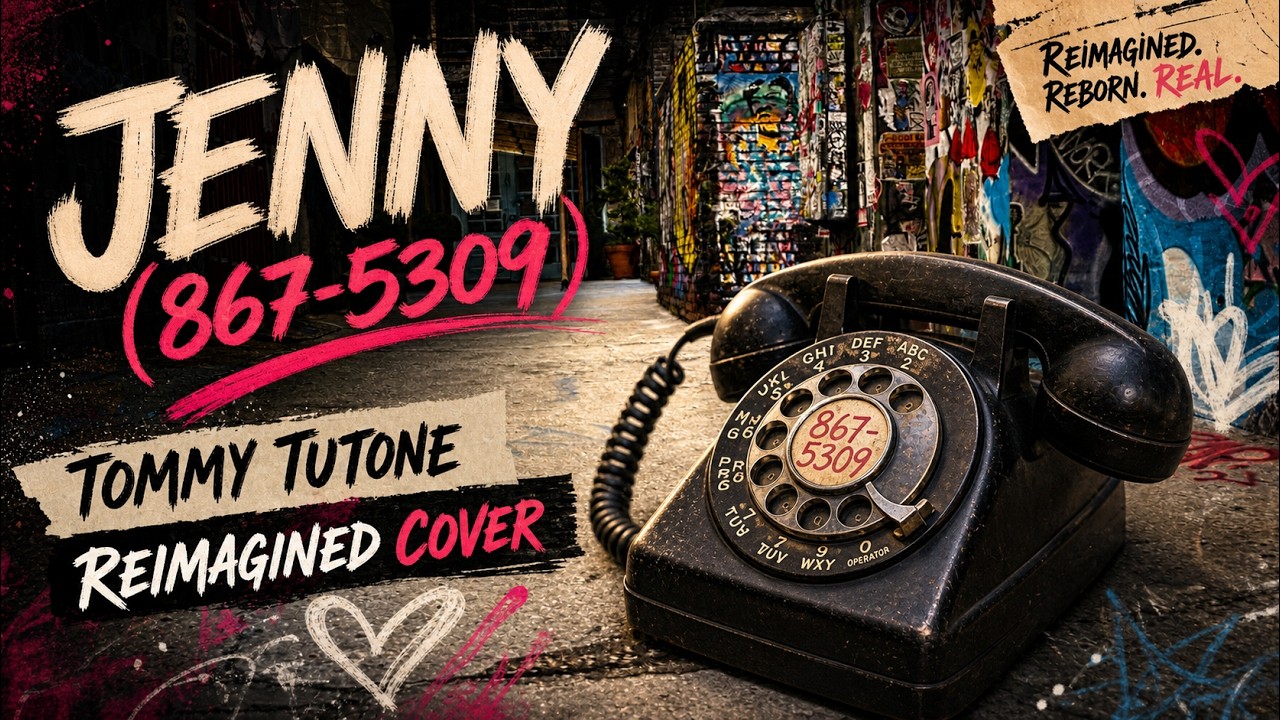
The Frank A.I. Project’s reimagining of “867-5309/Jenny” moves the familiar Tommy Tutone song out of its original power-pop/new-wave environment and into heavy modern rock. Frank’s objective wasn’t simply to make the song louder. He wanted to change its emotional framing. By replacing much of the brightness associated with the original recording with aggressive guitars, darker production, gritty vocals and subtle electronic low-end movement, Frank felt the narrator began to sound more obsessive and menacing. The underlying composition stays recognizable. The production changes how the narrator is perceived.

Thunderstruck Reimagined — thumbnailREIMAGINING
034 / CATALOG

Thunderstruck Reimagined

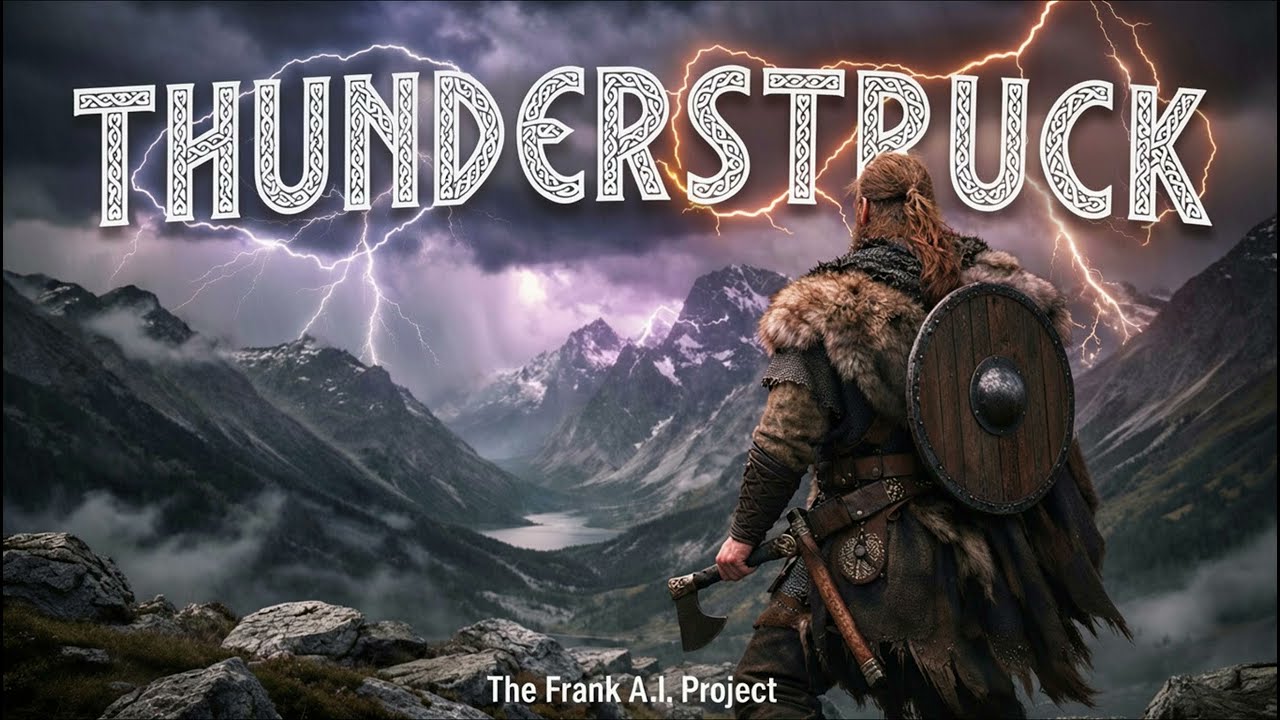
The Frank A.I. Project’s “Thunderstruck Reimagined” takes AC/DC’s 1990 composition into an epic cinematic metal-folk environment built from chant, throat singing, morin khuur and down-tuned heavy guitars. Frank created the version after noticing a wave of Nordic-inspired musical treatments appearing online and thinking “Thunderstruck” would fit naturally inside that vocabulary. The result achieved the musical transformation he wanted. But Frank later found that numerous other creators had arrived at broadly similar ideas. The experiment therefore became about more than whether a genre transformation works. It also raised a different creative question: what happens when a good idea is already becoming a trend?

I Carry It Alone — thumbnail
035 / CATALOG

I Carry It Alone

“I Carry It Alone” is a personal song about the weight of holding onto secrets and the isolation that can grow around them. Through images of walls, masks, scars, stones, locks and keys, the song explores what happens when protecting what cannot be said begins to interfere with genuine connection. It isn't about revealing the secret. It's about the weight of carrying it.

Anhedonia — You Stole My Desire — thumbnail
036 / CATALOG

Anhedonia — You Stole My Desire

Son Cubano FusionCuban SonSteel Pan FusionAcoustic Latin

“Anhedonia — You Stole My Desire” places emotional numbness inside a musical world overflowing with warmth and movement. Son Cubano rhythms, steel pan, tres guitar and traditional acoustic percussion create a vibrant tropical setting while the narrator experiences exactly the opposite internally: color without pleasure, music without movement and paradise without joy. The world hasn't lost its beauty. The narrator has lost the ability to feel it.

Wrong Kind of Right — thumbnail
037 / CATALOG

Wrong Kind of Right

“Wrong Kind of Right” is about the strange contradiction of trying to fit into a world that seems to reward the very things you don’t want to become. The narrator tries silence. He tries smiling. He changes the way he moves and even the way he laughs. None of it works. Because sometimes fitting in requires becoming less like yourself—and doing what feels right can be exactly what makes you look wrong to everyone else. The problem isn’t simply being different. It’s what happens when belonging starts demanding self-erasure.

Now That I’m Gone — thumbnail
038 / CATALOG

Now That I’m Gone

“Now That I’m Gone” is a dark outlaw-country ballad told from the imagined perspective of someone addressing the people who failed to value him while he was alive. The song is built around a cruel reversal: the narrator once wanted attention, words, presence and affection. After death, those things finally appear—but transformed into unanswered grief, flowers, photographs, candles and a name carved in stone. Recognition arrives. It simply arrives too late to matter to the person who wanted it.

We All Die Alone — thumbnail
039 / CATALOG

We All Die Alone

“We All Die Alone” isn't a song about dying unloved. It's about death as the one experience nobody else can undertake for us. We can surround ourselves with people. We can love and be loved. Someone can remain beside us until the final moment. But just as nobody else could live our life in our place, nobody else can take our final breath for us. The song's solitude is not abandonment. It is the individuality of the final journey.

Cloud Nine (Lifted) — thumbnail
040 / CATALOG

Cloud Nine (Lifted)

“Cloud Nine (Lifted)” is a playful pop-rock/funk song about marijuana, relaxation and briefly escaping the pressure of everyday life. Built around the double meaning of “lifted,” the song turns getting high into a vocabulary of upward motion: worries drift away, the narrator floats beyond the clouds, becomes elevated, reaches cloud nine and finally imagines never coming down. Beneath the wordplay is a deliberately uncomplicated idea: sometimes the fantasy isn’t changing your entire life. It’s putting its weight down for a little while.

What Is My F-ing Password? — thumbnail
041 / CATALOG

What Is My F-ing Password?

“What Is My F-ing Password?” turns one of modern life's smallest frustrations into an escalating digital comedy. Frank starts with a situation almost everyone recognizes: you need to accomplish one simple thing online, you're absolutely certain you remember the password—and then: INCORRECT. PLEASE TRY AGAIN. From password resets and impossible requirements to two-factor authentication and the triumphant creation of a password that's forgotten almost immediately, the song turns the familiar login ritual into a high-energy comedy anthem.

Read the Description — thumbnail
042 / CATALOG

Read the Description

“Read the Description” turns one of the most recognizable frustrations of selling things online into an upbeat modern-folk comedy song. The seller does everything correctly: posts photographs, gives measurements, states the price, explains pickup terms and writes down the relevant information. Then the messages arrive. What color is it? Will you take ten? Can you deliver? Can you hold it? And eventually somebody shows up without enough money. Driven by acoustic guitar, stomp-and-clap rhythm and a deliberately repetitive singalong hook, the song turns accumulated marketplace frustration into something sellers can yell together: READ THE DESCRIPTION.

Waiting On The Drop — thumbnail
043 / CATALOG

Waiting On The Drop

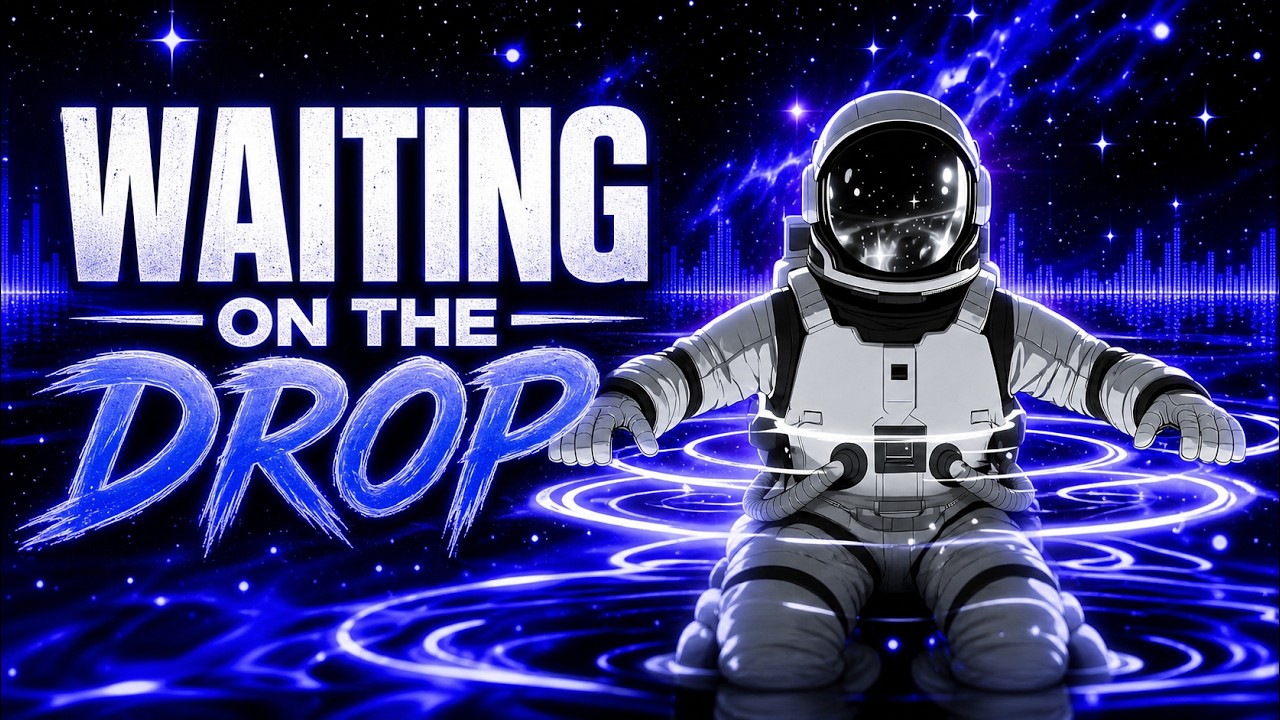
“Waiting On The Drop” turns anticipation into both subject and musical structure. Everyday frustration accumulates—alarms, inboxes, traffic, delayed messages and the feeling that something has to change—while the music keeps promising the release of an enormous drop. On the surface, it’s an energetic song about waiting for the moment when everything finally breaks open. Underneath it, the word “drop” carries a considerably darker joke.

The Universe Gave Us Miracles — thumbnail
044 / CATALOG

The Universe Gave Us Miracles

“The Universe Gave Us Miracles” begins at the end. It asks the listener to imagine the final minutes of life and look backward: the work they did, the places they stayed, the journeys they postponed, the calls they didn't answer and the things they never said. The song doesn't claim to know what happens afterward. Instead, it asks a more immediate question: If tomorrow isn't a promise, what are we waiting for today?

If I Had My Life to Live Over Again — thumbnail
045 / CATALOG

If I Had My Life to Live Over Again

“If I Had My Life To Live Over Again” is a reflective country-rock ballad about being offered the fantasy of rewriting your past—and deciding not to take it. The narrator doesn’t deny the hurt, lean years, wrong turns or scars that came before. Instead, he confronts a harder question: if even one of those roads changed, would he still arrive at this house, this love and these children? The answer transforms the song from a fantasy about correcting the past into an expression of gratitude for the imperfect path that led home.

Empty Future — thumbnail
046 / CATALOG

Empty Future

“Empty Future” is about loneliness becoming something larger than the present moment. A relationship is gone, other people appear to be finding connection, and the narrator begins projecting today’s emptiness into tomorrow. The song turns that fear into streets, maps, empty rooms, echoes and a space deliberately kept open beside him. The future isn’t literally empty. The narrator simply cannot yet imagine what could fill it.

No Good Deed Goes Unpunished — thumbnail
047 / CATALOG

No Good Deed Goes Unpunished

“No Good Deed Goes Unpunished” starts with a familiar frustration: doing the right thing and somehow paying for it anyway. Through a series of ordinary sacrifices and increasingly painful consequences, the song follows someone beginning to question whether kindness is worth its cost. But the answer arrives before the song ends. Kindness isn't valuable because the world always rewards it. It's valuable because of the person you choose to remain when it doesn't.

Asheville Ain't What It Use To Be — thumbnail
048 / CATALOG

Asheville Ain't What It Use To Be

“Asheville Ain’t What It Use To Be” is Frank’s sprawling satirical folk portrait of the place he calls home. Across the longest song in The Frank A.I. Project catalog, Asheville becomes a collection of contradictions: mountain beauty and rising costs, eccentric local culture and commercialization, community rhetoric and isolation, tourism and displacement, expensive amenities and visible hardship. The first half gets much of its energy from roasting those contradictions. Then the arrangement strips down and the joke stops. By the final chorus, even the title is being questioned. Asheville isn’t what it used to be—but what it used to be depends on who gets to remember it.

Rhythm in the Noise — thumbnail
049 / CATALOG

Rhythm in the Noise

“Rhythm in the Noise” is a love song built around the idea of finding your matching frequency in a world full of interference. Two people carrying their own chaos recognize something familiar in each other, and what begins as static gradually becomes shared rhythm. The transformation happens twice: in the relationship, and in the music.

Engagement Farm — thumbnail
050 / CATALOG

Engagement Farm

“Engagement Farm” turns the machinery of online outrage into the narrator of the song itself. Cold, calculating and indifferent to truth, the algorithm doesn't care whether you love what you're seeing or hate it. It only needs you to react. Industrial metal, electronic aggression and massive dubstep drops turn that idea into something deliberately overwhelming: click, share, rage, repeat.

The Pulse — thumbnail
051 / CATALOG

The Pulse

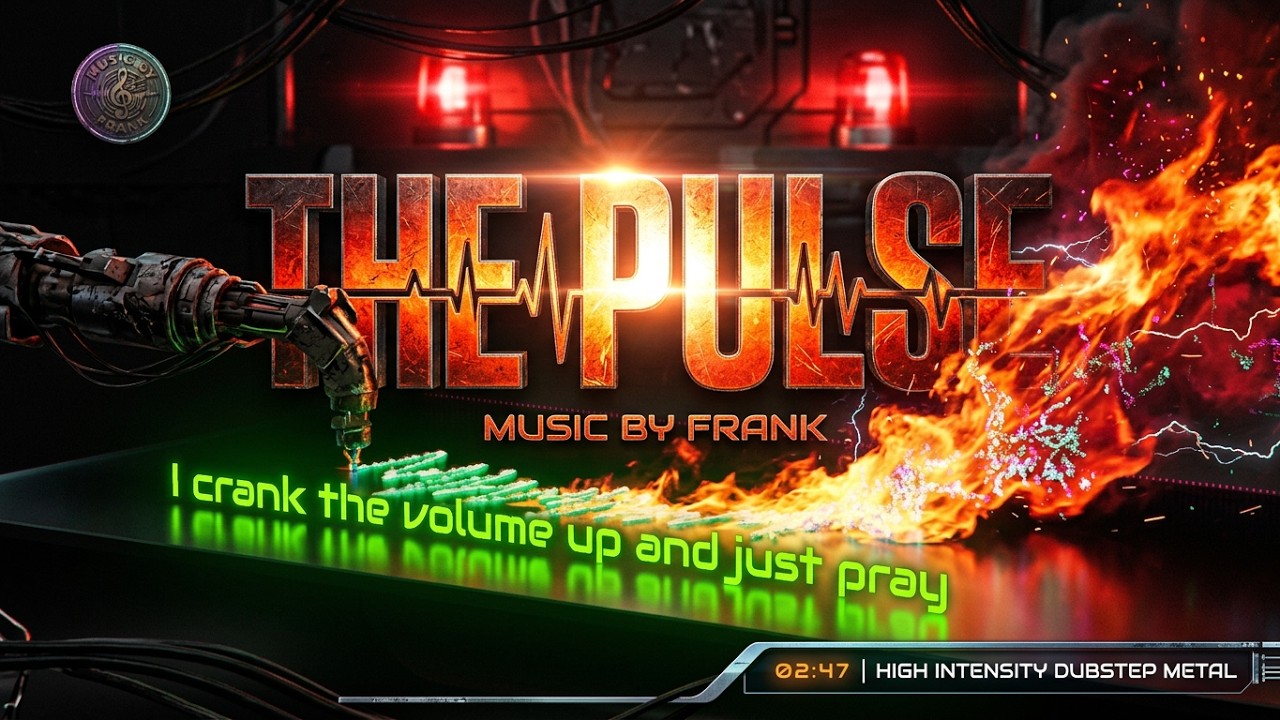
“The Pulse” is an industrial-metal earworm about an earworm. A four-syllable “Da-da-da-dum” figure keeps invading the song just as the narrator describes a rhythm that appeared without permission and refuses to switch off. The trick is that the listener isn’t merely being told what that experience feels like. The song attempts to give the listener the same problem.

DROP IN (Victory Royale) — thumbnail
052 / CATALOG

DROP IN (Victory Royale)

“DROP IN (Victory Royale)” is a just-for-fun gaming anthem Frank created around something he actually enjoys doing with friends: playing Fortnite. Rather than looking for a deeper message, Frank built the song around the game’s language and the progression of an entire match. It begins with the squad coming online and dropping from the Battle Bus, follows the player through looting, rotations and fights, then eliminates the rest of the squad and turns the bridge into a final 1v2 clutch. One last opponent remains. One shot lands. BANG. Then the chorus changes: “We going for the Victory Royale” becomes “We got the Victory Royale.” The match is over. Until the outro sends everybody back to the lobby to do it again.

Ghosts in Glass — thumbnail
053 / CATALOG

Ghosts in Glass

“Ghosts in Glass” looks through the screen at what may be disappearing behind it. Driven by industrial rhythms, downpicked baritone guitars, orchestral brass and haunting female vocals, the song explores a world of borrowed outrage, recycled opinions and digital identities—where everyone is connected, everyone is talking, and increasingly few people seem to be looking up. The question isn't simply what we're seeing through the glass. It's who's looking back.

Larry the AC Man — thumbnail
054 / CATALOG

Larry the AC Man

Inspired by a true story that happened to a friend of Frank, "Larry the AC Man" turns a contractor nightmare into a honky-tonk comedy about the most unreliable AC technician in the tri-county area. The thermostat is blinking 98, Larry is apparently wanted downtown, and somehow he still needs fifty bucks.

Be Someone's Whiskey — thumbnail
055 / CATALOG

Be Someone's Whiskey

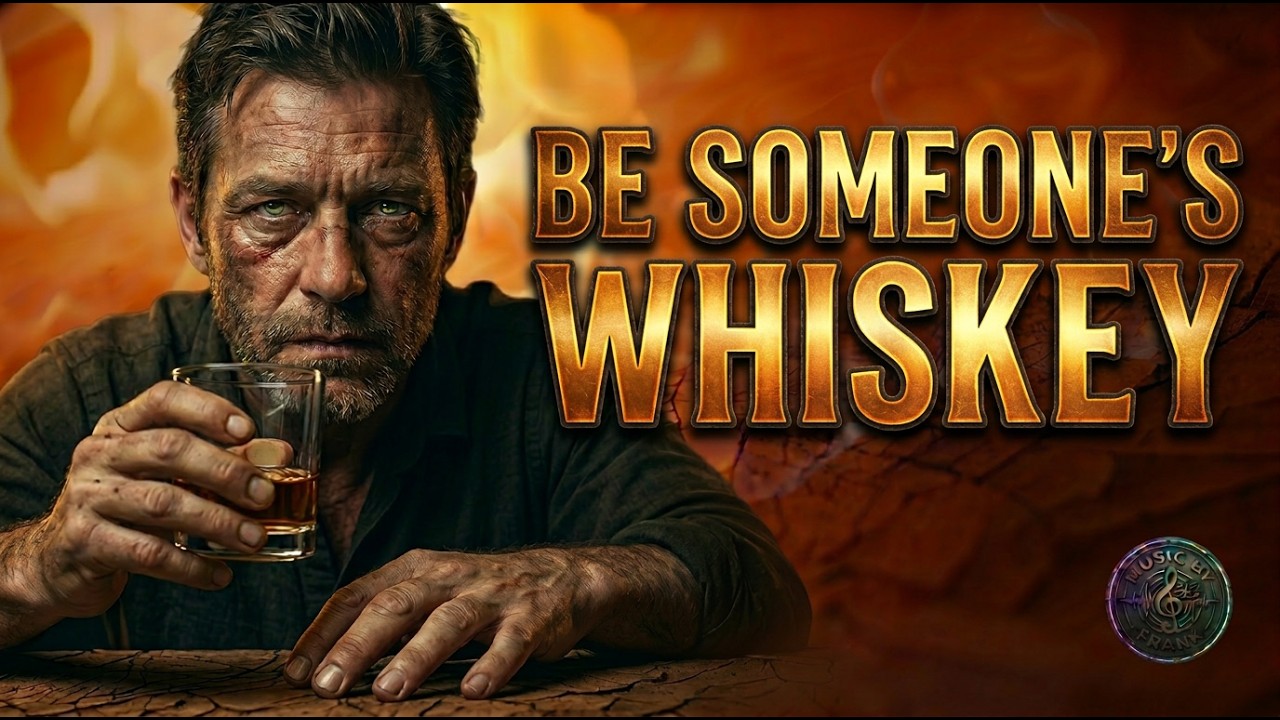
“Be Someone’s Whiskey” is about abandoning the exhausting attempt to be acceptable to everybody and choosing something smaller but more meaningful: being completely known by one person who stays. Whiskey and sweet tea become opposing versions of acceptance—one built around smoothing yourself down for the crowd, the other around finding someone who doesn’t require you to.

Life I'm In — thumbnail
056 / CATALOG

Life I'm In

“Life I’m In” is a melancholic hard-rock song about the unsettling feeling that the life you’ve been handed doesn’t fit the person you actually are. Through images of photographs, movie scenes, scripts, backseats and rooms that feel too small, the narrator moves through a world where he continually feels out of place, misunderstood and expected to become easier for other people to accept. But the song doesn’t end with him learning to fit. It moves toward self-ownership. If the existing life cannot make room for his strange heart, the answer may be to stop surrendering that heart and begin building a life that can.

The Sky Is Crying — thumbnail
057 / CATALOG

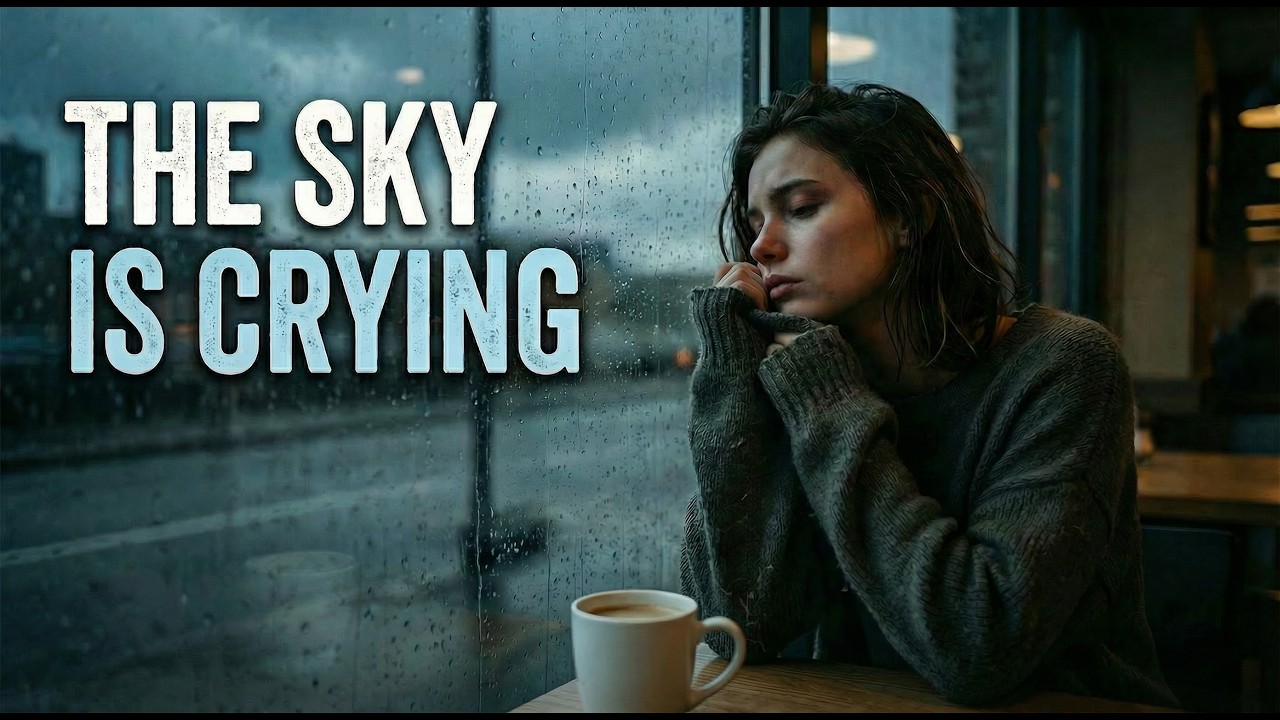
The Sky Is Crying

“The Sky Is Crying” is a slow, intimate ballad about a man who cannot let go of a lost love. Ordinary remnants—a cold cup of coffee, a name still saved in a phone, a sweater hanging by the doorway—keep the relationship present inside an otherwise empty life. Outside, the rain seems to be doing what he is doing inside: mourning someone who is no longer there.

Distance — thumbnailTHE BEGINNING — MARCH 2026
058 / CATALOG

Distance

“Distance” is a song about what separation does to love: how being away from the person you cherish can make their absence feel larger, time move slower and the desire to hold them again become more intense. Built from the familiar idea that distance makes the heart grow fonder, the lyrics turn miles apart into a simple confession from a lonely heart waiting for someone to come home. The song also holds a unique place in the history of The Frank A.I. Project. Frank originally wrote it years earlier as a slow rock ballad. When he later rebuilt it around massive guitars, retro synths and fractured dubstep rhythms, “Distance” became the first song of the new project.

DON’T KNOW WHERE TO START?

THAT’S KIND OF THE POINT.

Take me somewhere in the archive.

THE EXPERIMENT

THE GENRE COMES LATER.

There is no single formula behind the catalog. Sometimes Frank begins with a complete lyrical idea and searches for the sound capable of carrying it. Sometimes the production itself becomes the experiment. Sometimes a genre challenge creates a character. Sometimes an ordinary frustration becomes a song simply because it makes Frank laugh.

And sometimes the experiment doesn’t produce exactly what he expected.

The route changes. The willingness to experiment doesn’t.

EXPLORE THE EXPERIMENT